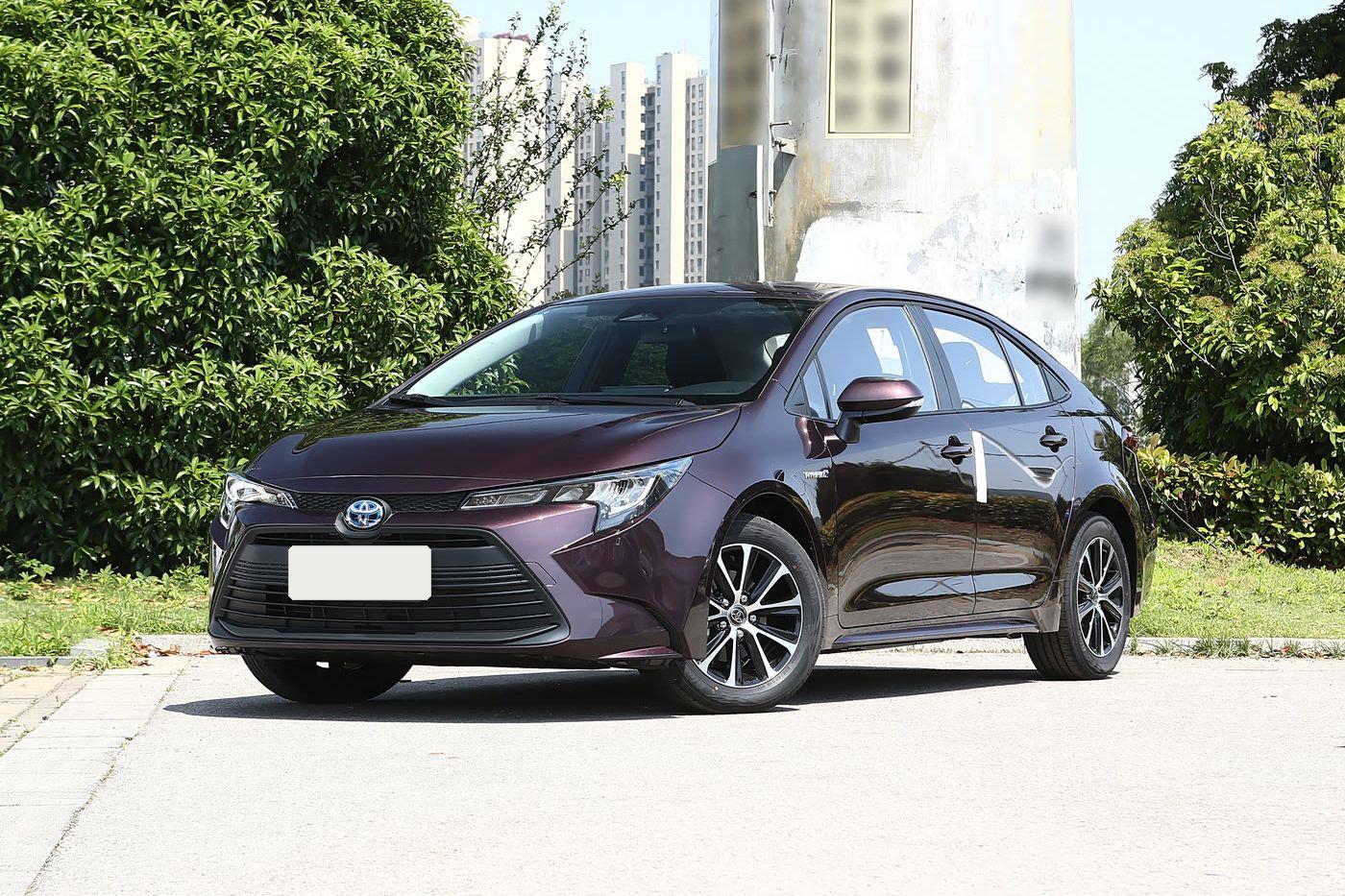
Short answer: there is no large independent study that follows Toyota hybrid batteries to exactly 10 years and 200,000 miles (about 320,000 km). What does exist is strong indirect evidence: long warranties in some markets, high-mileage taxi fleets that kept their original packs, and engineering choices that protect the battery. Together they suggest a Levin Hybrid battery that is used and cooled properly will usually last a very long time, but not forever, and heat is its main enemy.
Which battery does each Levin Hybrid use?
| Model year | Battery | Motor | System output | WLTC (L/100 km) |
|---|---|---|---|---|
| 2022 | Nickel-metal hydride (NiMH) | 53 kW | 90 kW | 4.36–4.54 |
| 2023 | Lithium-ion | 70 kW | 101 kW | 4.07–4.32 |
| 2024 | Lithium-ion | 70 kW | 101 kW | 4.07–4.32 |
| 2026 | Lithium-ion | 70 kW | 101 kW | 4.19–4.50 |
All of them use the 1.8 L 8ZR petrol engine with an e-CVT. The engine helps the battery in two ways: it recharges the pack while driving, and the control system keeps the pack in a middle band of charge instead of letting it run fully empty or fully full. That narrow window is one of the main reasons Toyota hybrid batteries age slowly.
What does the real-world evidence say?
| Evidence | What it shows | Limit |
|---|---|---|
| Toyota USA warranty (from model year 2020) | Hybrid battery covered for 10 years from first use or 150,000 miles in the US | A US-market warranty; it does not apply to China-market cars exported abroad |
| High-mileage Prius taxis | Several taxis reported well past 200,000 miles on the original battery | Single cars and fleet reports, not a controlled study |
| Motoring clubs and press (AAA, others) | Most estimates place typical hybrid battery life in the range of 100,000–200,000 miles; heat is the biggest factor | Educated estimates; no comprehensive study is cited |
The warranty point matters most. When Toyota extended the hybrid battery warranty in the US from 8 years / 100,000 miles to 10 years / 150,000 miles, it was betting its own money that very few packs would fail inside that window. That is a useful signal about the hybrid system, even though the warranty itself does not travel with an export car.
NiMH or lithium-ion: which lasts longer?
Toyota has used both chemistries for many years, and both have long service records in its hybrids. NiMH packs are known for tolerating heat and abuse well; lithium-ion packs are lighter and store more energy for their size, which helps explain the stronger 70 kW motor and 101 kW system output on the 2023 and later Levin. For an export buyer the practical difference is less about chemistry and more about age, mileage and climate history. A 2022 NiMH car that lived in a mild city is a safer bet than a later car that ran hard in extreme heat with a blocked cooling intake.
What shortens a hybrid battery's life?
- Heat. Sustained high temperature is the main cause of capacity loss. Hot climates with stop-start traffic are the hardest case.
- Blocked cooling air. The pack is air-cooled through an intake inside the cabin. Dust, pet hair or bags pushed against it reduce cooling. Check the owner's manual for its location and keep it clear.
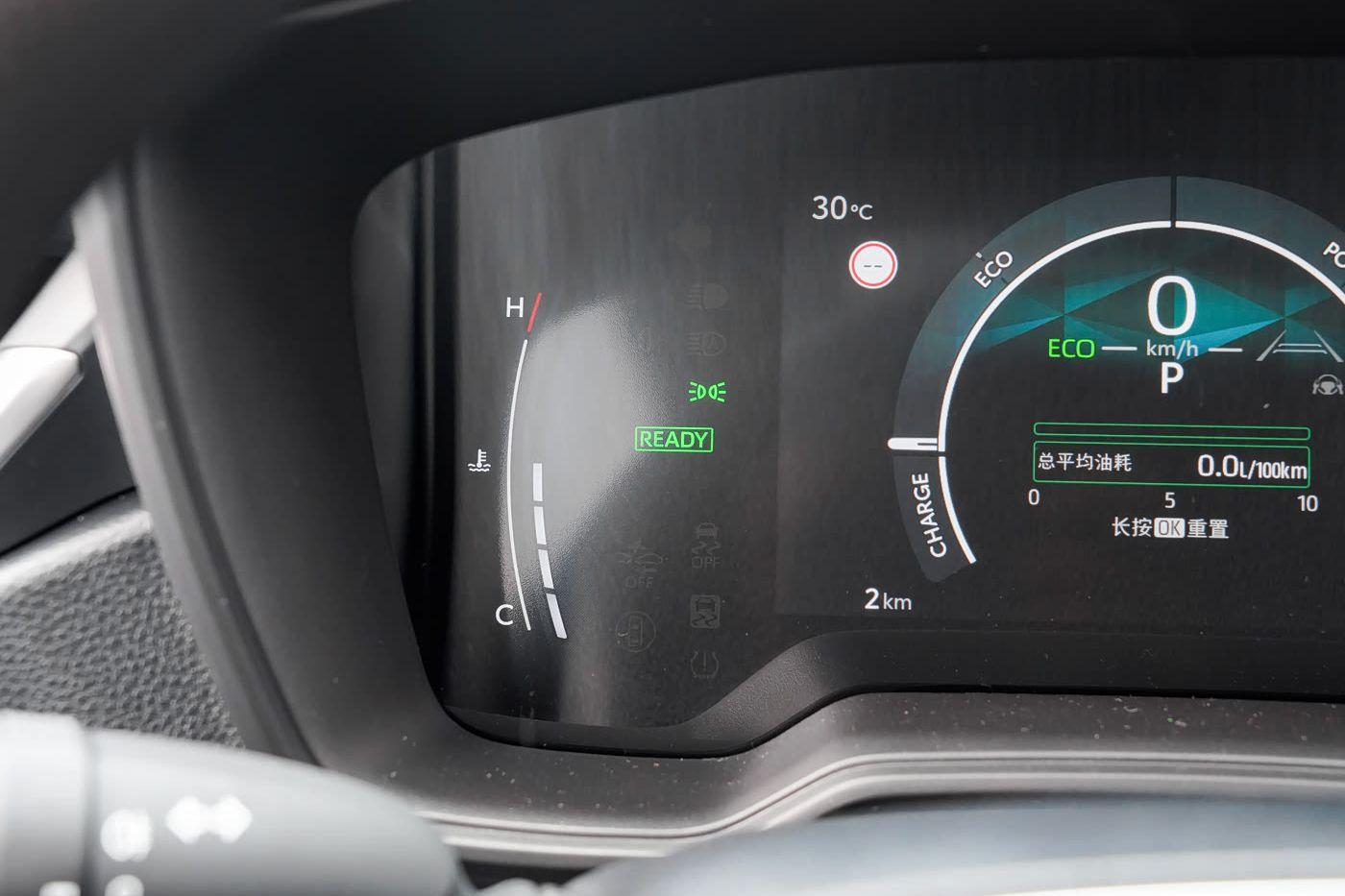
- Long storage without driving. A car left parked for months loses charge; start it and let the system reach READY regularly.
- Skipped 12 V battery maintenance. A weak 12 V battery causes many no-start complaints that owners mistake for hybrid battery failure.
How do I check a used Levin Hybrid before export?
- Ask for a hybrid system diagnostic report read with a scan tool, including any stored hybrid or battery fault codes.
- Check that the car reaches READY quickly and that the charge gauge moves normally during a test drive (fills under braking, drops under load).
- Look for warning lights on the cluster and confirm the odometer reading on video.
- Inspect the battery cooling intake for dirt.
- Confirm the service history where available.
For used cars we send the cluster, odometer and VIN on video as part of our standard milestone confirmation, and we can run a diagnostic scan on request. See the export process for what each milestone covers.
What happens if the battery does fail?
A failing hybrid battery rarely stops a car without warning. The usual signs are a hybrid system warning light, the engine running more often than normal, weaker acceleration and higher fuel use. The pack is made of modules, so a workshop with hybrid experience can test each module and, in many markets, replace the pack with a new or reconditioned unit. Because the Levin shares its hybrid system with the Corolla Hybrid, parts and know-how are easier to find than for a rare model. If you run a fleet, ask your local workshop now whether it has the scan tools and safety training for high-voltage work; that answer matters more than any average lifespan figure.
Should a fleet buy new or used for battery peace of mind?
For taxi and ride-hailing fleets that run 80,000 km or more a year, a new 2026 Levin Hybrid gives the longest runway: every kilometre of battery life is yours. For private buyers and smaller dealers, a low-mileage 2024 or 2023 hybrid with a clean diagnostic report is a reasonable middle ground. The 2022 NiMH car makes sense when budget leads, provided the battery check is clean. For a wider comparison read the best and worst years for the Levin.
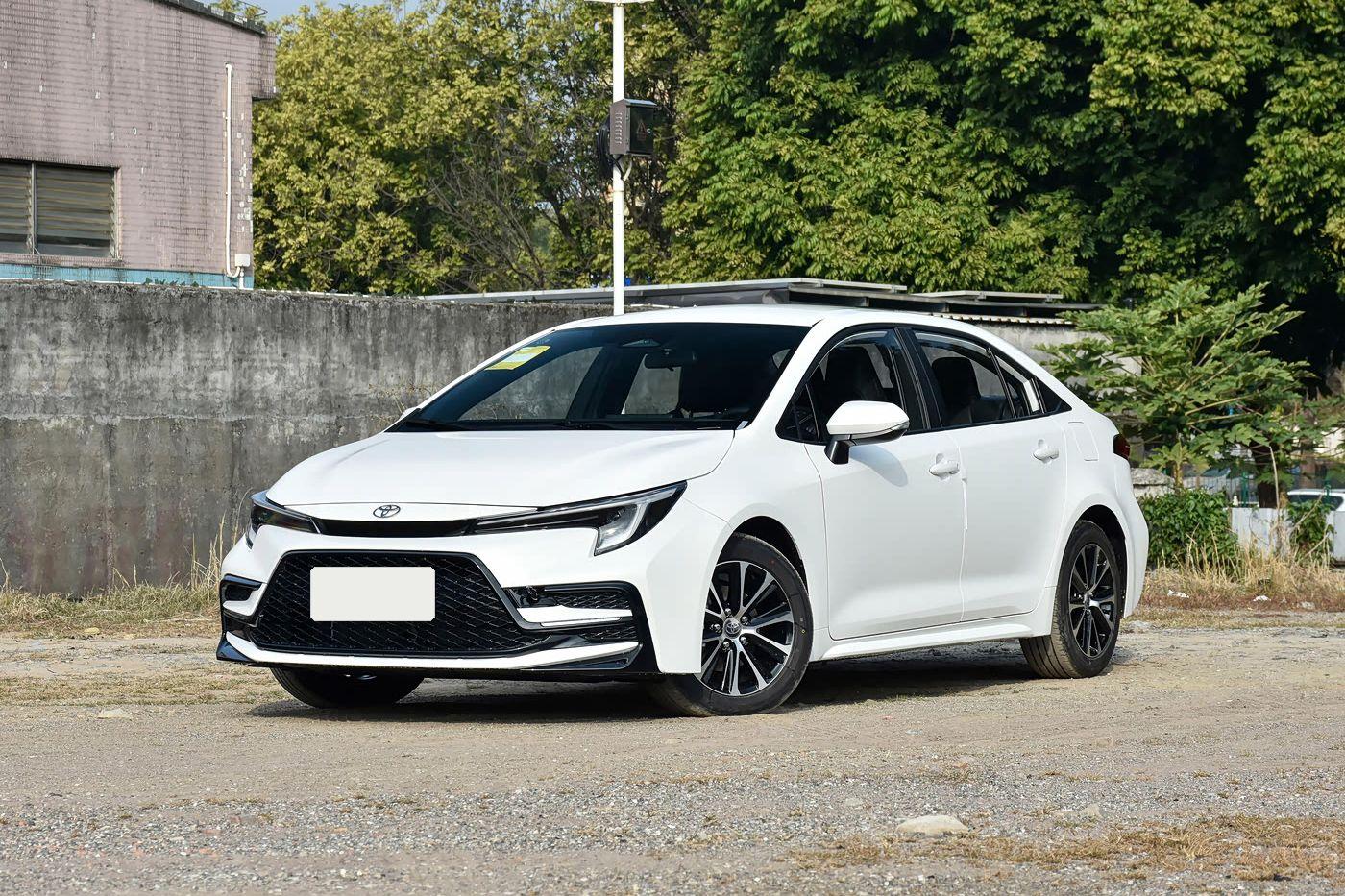
New · 0 km · LHD · Export from China
2026 Toyota Levin Hybrid
- Power
- 101 kW
- WLTC
- 4.19 L/100 km
Vehicle price
Request current quote
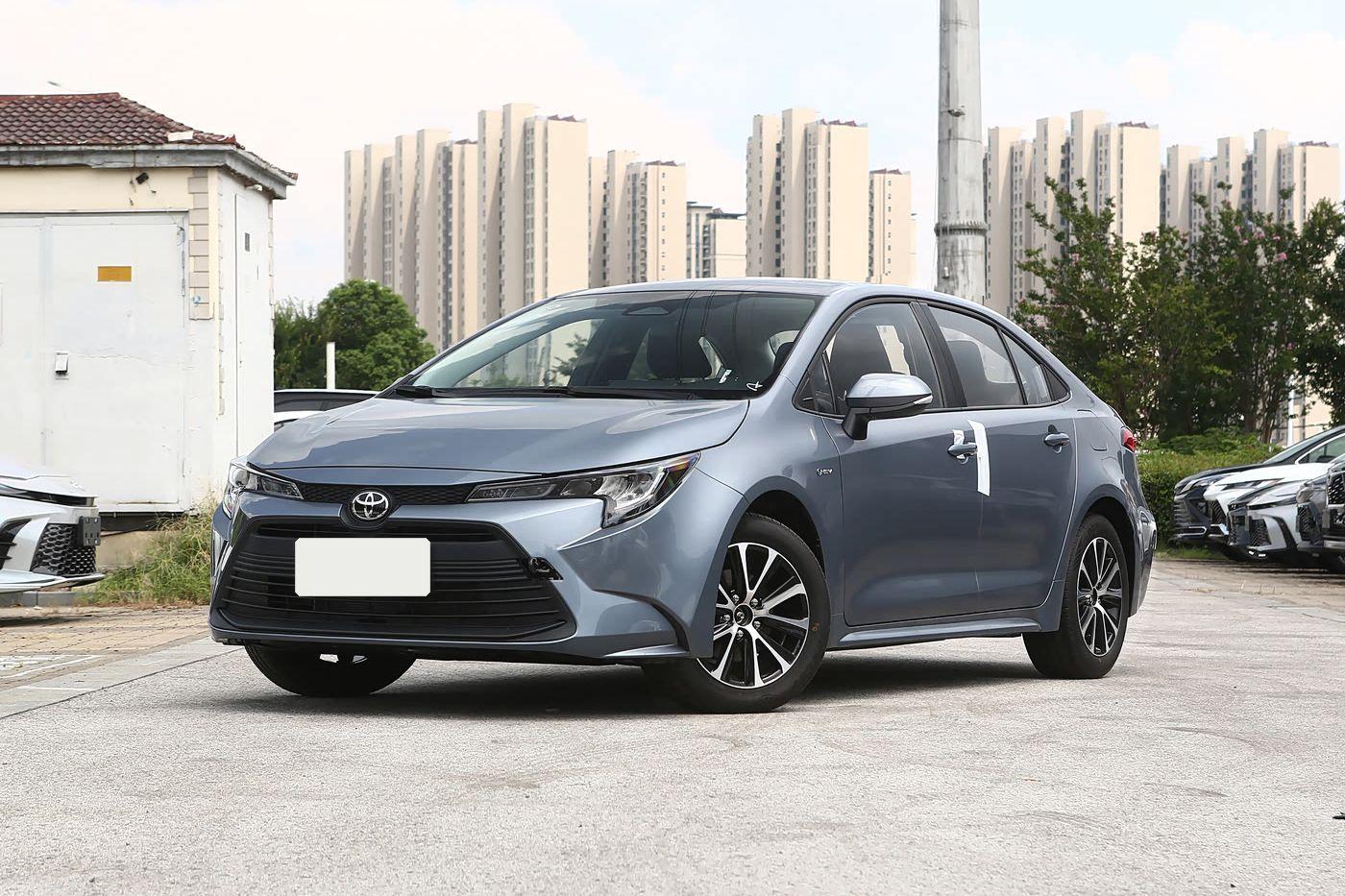
Used · inspected · LHD · Export from China
2024 Toyota Levin
- Power
- 85–101 kW
- WLTC
- 4.07 L/100 km
Vehicle price
Request current quote
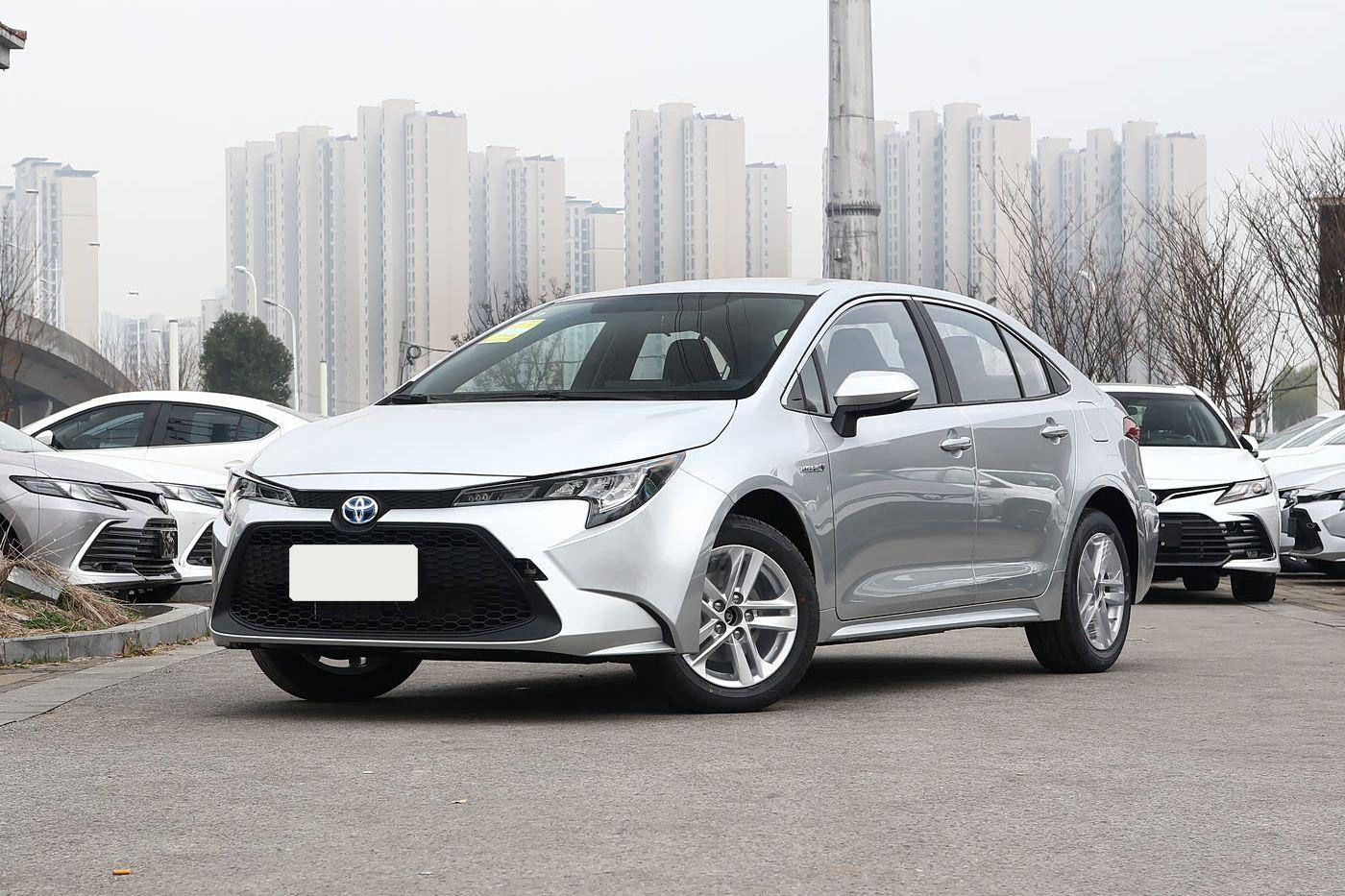
Used · inspected · LHD · Export from China
2022 Toyota Levin
- Power
- 85–90 kW
- WLTC
- 4.36 L/100 km
Vehicle price
Request current quote
Ready to source the Toyota Levin?
Send destination and quantity — we reply within 24 hours with availability and a quotation.