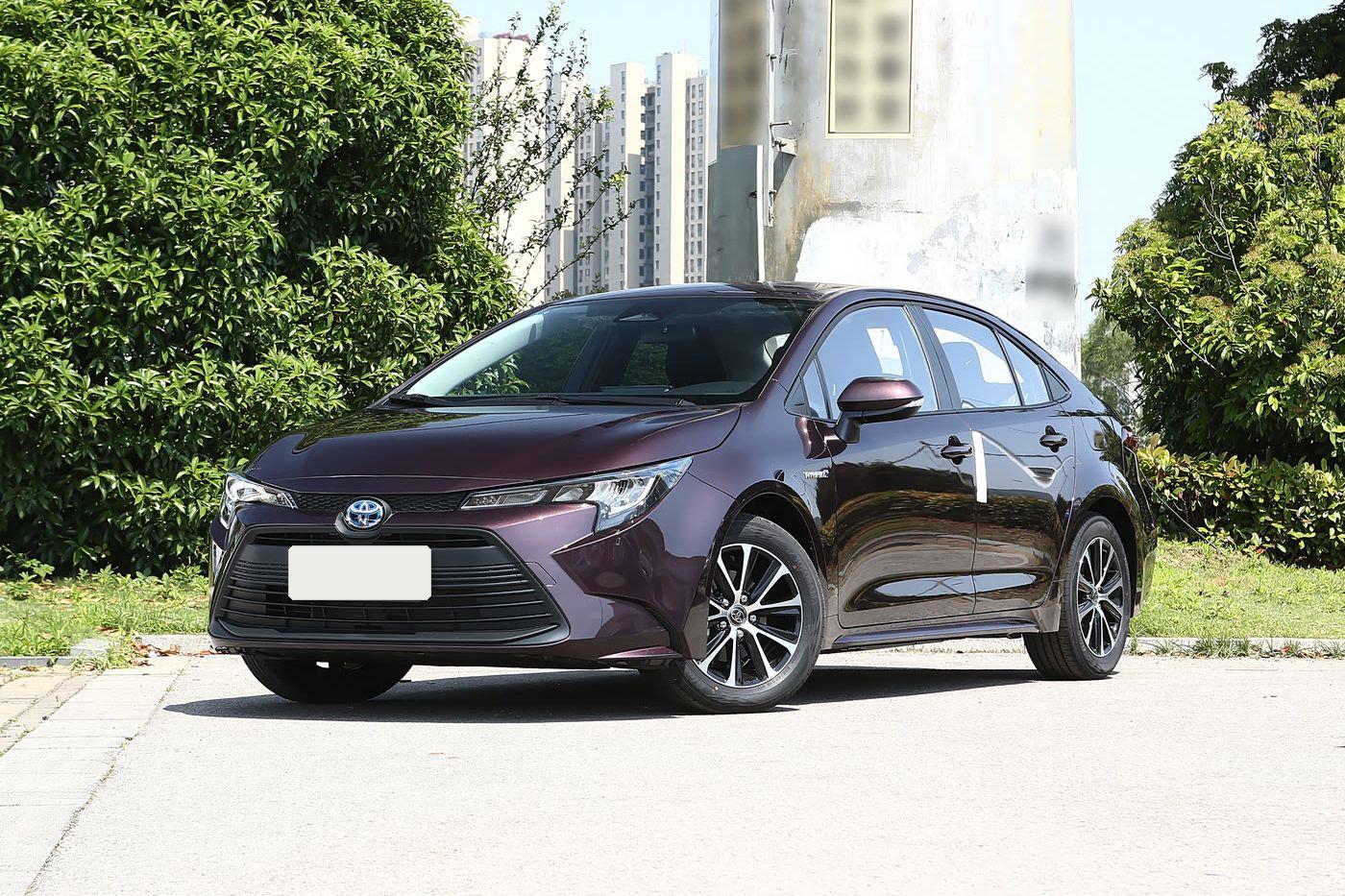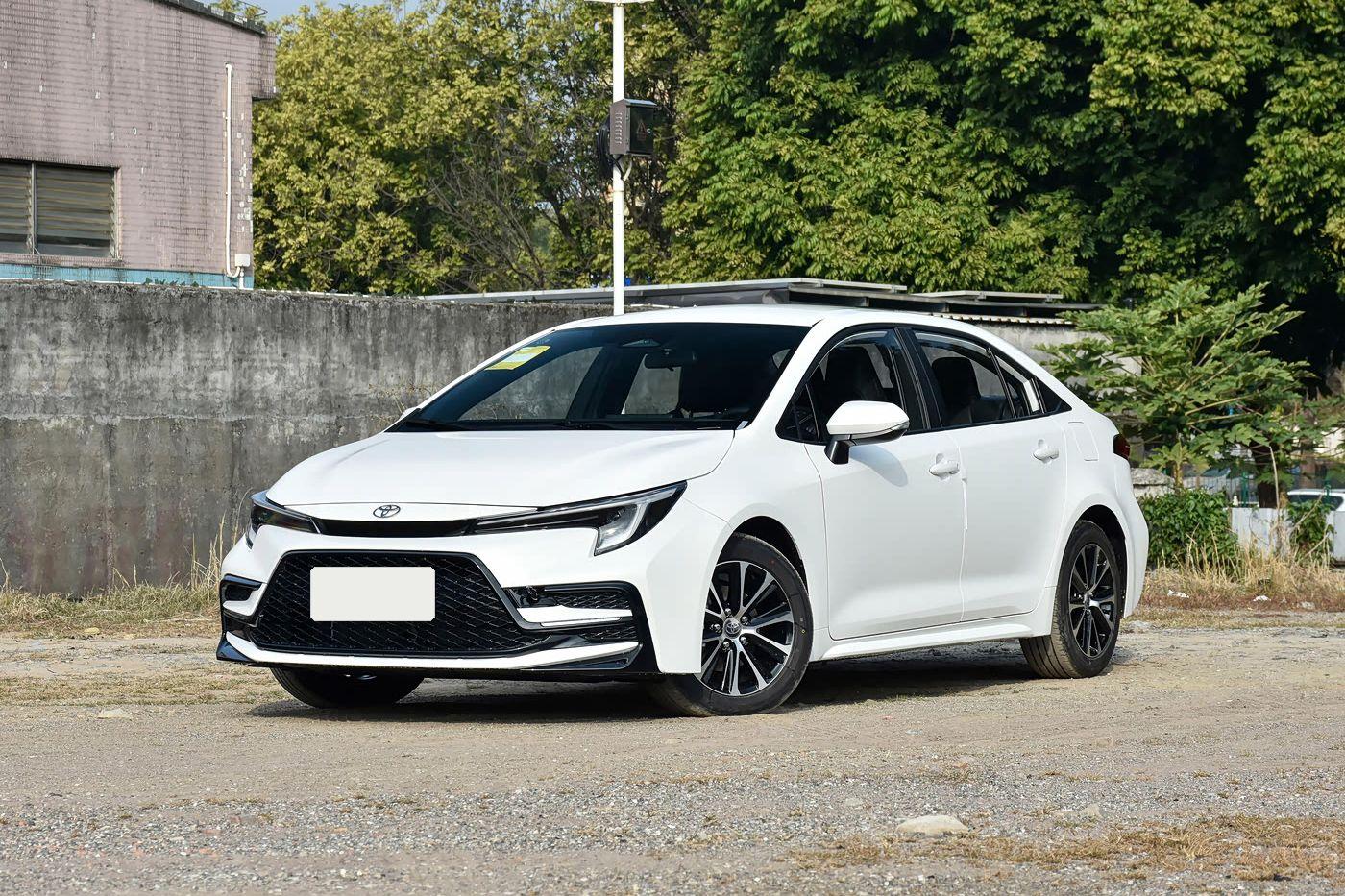
The Levin name has survived since 1972 because it has always been attached to a sensible Corolla underneath, and because each time the market changed, the name moved to where the buyers were. It started as a small twin-cam coupé in Japan, disappeared there around the turn of the century, and came back in 2014 as a family sedan built in China. The common thread is not a body style; it is a reliable mass-market base with a little more character on top.
Where did the Levin name come from?
Toyota introduced the Corolla Levin in March 1972 as the high-performance version of the second-generation Corolla coupé, coded TE27. It used the 2T-G, a 1.6-litre twin-cam four-cylinder shared with the Celica, in a light two-door body. Its twin, the Sprinter Trueno, was sold through a different dealer channel. The name is generally explained as an old English word for lightning.
What are the key dates?
| Year | Milestone | Why it mattered |
|---|---|---|
| 1972 | Corolla Levin TE27 launched in Japan with the 2T-G twin-cam 1.6 | Brought twin-cam performance to an affordable car |
| 1983 | New-generation Corolla Levin (the AE86 era) | Became a motorsport and enthusiast icon that kept the name alive for decades |
| c. 2000 | Levin coupé ends in Japan | The compact coupé market shrank; the name went quiet |
| 2014 | GAC Toyota starts building the Levin in China as a Corolla-based sedan | The name returned in the world's largest car market |
| 2015 | Levin Hybrid launched in China with locally produced hybrid components | Brought Toyota hybrid technology to mainstream Chinese buyers |
| 2019 | All-new Levin on the TNGA platform | Modern platform, Toyota Safety Sense, better efficiency |
| 2022 | Hybrid: NiMH battery, 90 kW system output | Mature, well-proven hybrid package |
| 2023 | Hybrid moves to lithium-ion, 70 kW motor, 101 kW system | More power with lower WLTC consumption (4.07–4.32 L/100 km) |
| 2026 | Longer body (4,695 mm, 2,750 mm wheelbase); 2.0 L M20C petrol option | More rear space and a stronger naturally aspirated engine |
What is the Levin's survival logic?
- A proven base. Every Levin has been a Corolla underneath. Buyers get Corolla running costs and parts availability with a different face and tuning.
- A name with history. The 1970s and 1980s coupés gave the badge a sporty image that a new nameplate would have taken years to build.
- Two channels, one platform. In China, FAW Toyota sells the Corolla and GAC Toyota sells the Levin. The same engineering reaches more buyers through two dealer networks, which is the same logic as the original Levin and Trueno pair.
- Local hybrid production. Making hybrid parts in China lowered cost and made the Levin Hybrid a mainstream choice, not a niche one.
- Steady, not radical, updates. Each step (TNGA in 2019, lithium-ion in 2023, the long body in 2026) improved one thing at a time. Fleet and private buyers value that predictability.
How is the China Levin different from the Corolla?
Mechanically, very little. The Levin and the China-market Corolla share the platform, engines and hybrid system. The differences are in the front and rear styling, some trim and equipment choices, and above all the sales channel: the Levin is built and sold by GAC Toyota, the Corolla by FAW Toyota. For an importer this is good news. Service parts such as filters, brake pads and many hybrid components are shared, and mechanics who know a Corolla Hybrid will recognise the Levin's layout straight away. The Levin's own styling gives dealers something slightly different to show buyers who already see many Corollas on their roads.
What has stayed the same across five decades?
Look past the body styles and three ideas repeat. First, the Levin has always been an affordable car with a little extra: a twin-cam engine in 1972, a stronger hybrid and a long-wheelbase body today. Second, it has always depended on Corolla volume to keep costs down. Third, it has always been sold through a second channel next to a sister model, so one engineering programme could reach more buyers. Those three ideas are why the badge survived a gap of more than a decade and came back in a different country, in a different body style, to a different kind of buyer.
Why does the China-market Levin matter outside China?
China's domestic car market is very competitive, which keeps the Levin well equipped. The 2026 car comes with Toyota Safety Sense, adaptive cruise control, lane-centring, LED headlights, six airbags and, on the hybrid, wireless charging and a digital cluster, as listed in its factory configuration. It is also left-hand drive, which suits the many right-hand-traffic markets in Africa, Central Asia and Latin America. Our export markets pages cover where we ship.
Will there be a 2027 Levin?
No 2027 model year specification has been published yet. We track it on the 2027 Toyota Levin page and will update it when GAC Toyota releases data. Until then, the 2026 Toyota Levin is the current car, available as a hybrid or petrol.
Which Levin should I buy today?
- Lowest running cost and longest life ahead: the 2026 hybrid.
- Simple, strong naturally aspirated petrol: the 2026 2.0 L.
- Value with the lithium-ion hybrid: a 2023 or 2024 car.
- Lowest buy-in with a proven NiMH hybrid: the 2022 Levin.
The detailed comparison is in the best and worst years for the Levin.
New · 0 km · LHD · Export from China
2026 Toyota Levin Hybrid
- Power
- 101 kW
- WLTC
- 4.19 L/100 km
Vehicle price
Request current quote
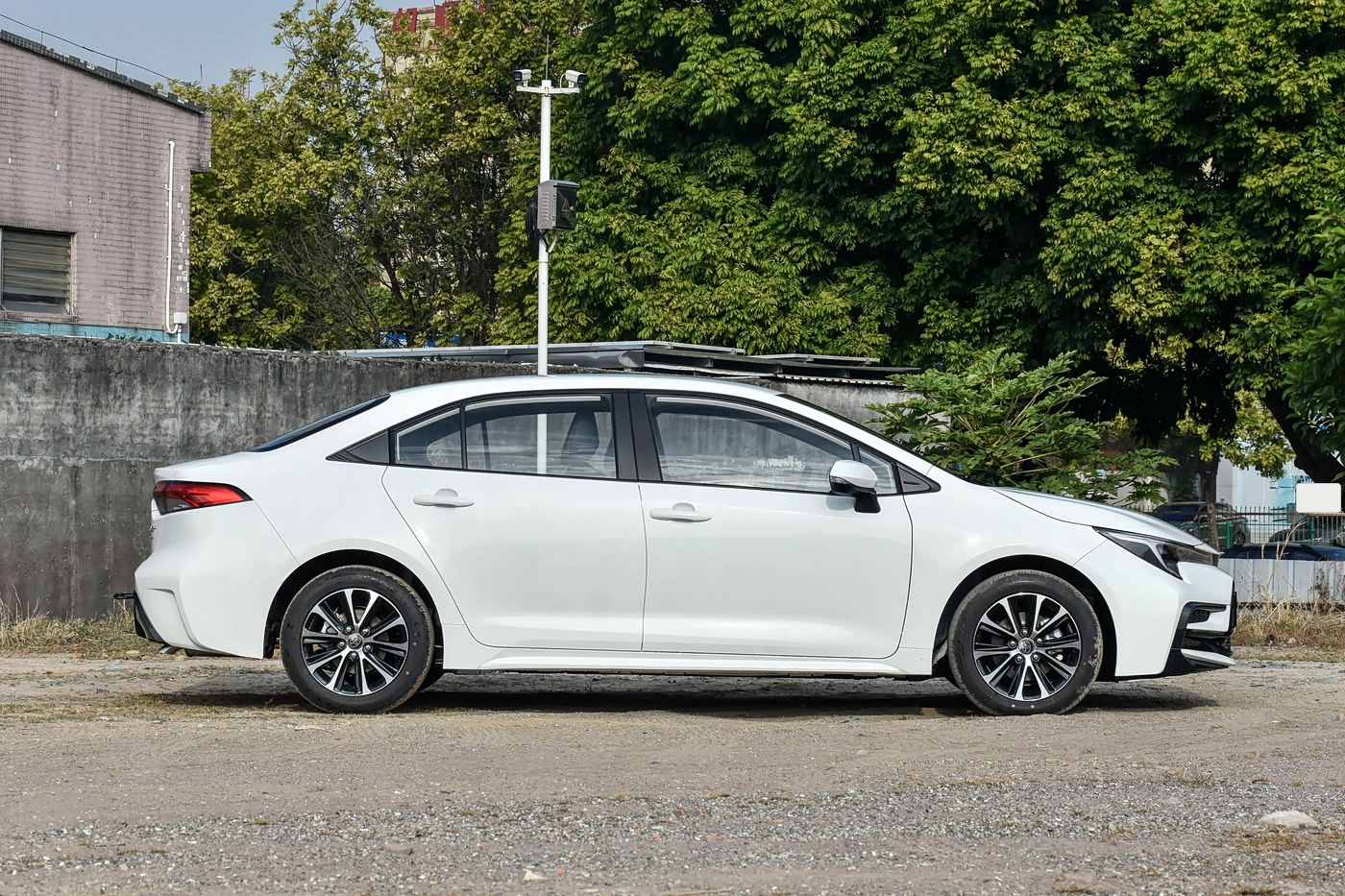
New · 0 km · LHD · Export from China
2026 Toyota Levin Petrol
- Power
- 85–126 kW
- WLTC
- 5.74 L/100 km
Vehicle price
Request current quote
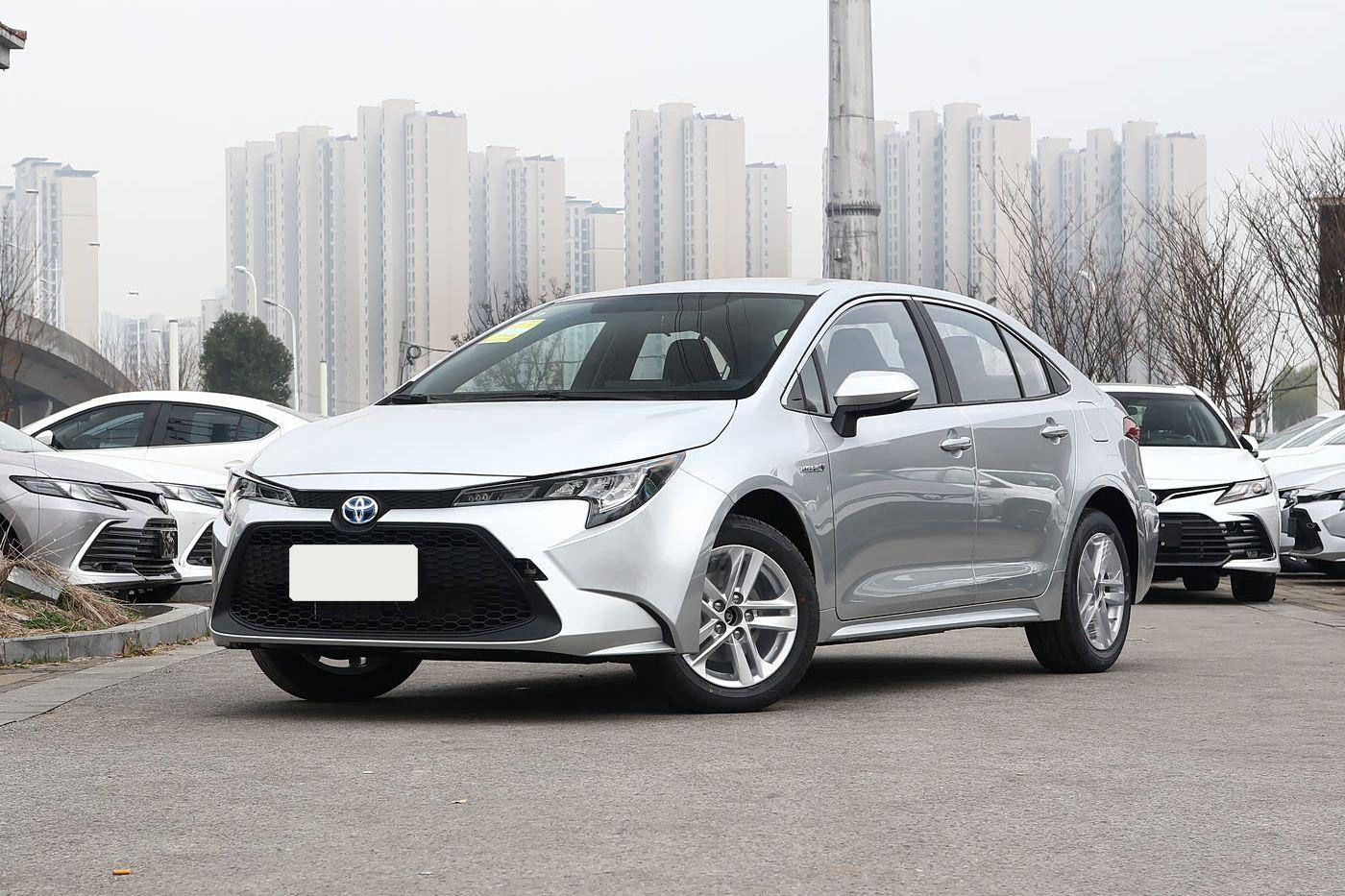
Used · inspected · LHD · Export from China
2022 Toyota Levin
- Power
- 85–90 kW
- WLTC
- 4.36 L/100 km
Vehicle price
Request current quote
Ready to source the Toyota Levin?
Send destination and quantity — we reply within 24 hours with availability and a quotation.